In the relentless, evolving currents of culinary history and material culture, a select number of ingredients have silently revolutionized their societal roles—migrating from the humble tables of the impoverished to become the ultimate luxury signifiers of aristocracy and high society. The lobster stands as the definitive paradigm of this transformation. Once dismissed as mere “marine debris” unworthy of serious attention, it today occupies the most exclusive menus of globally celebrated dining vaults, masterfully presented under the guidance of Michelin-starred culinary artists.
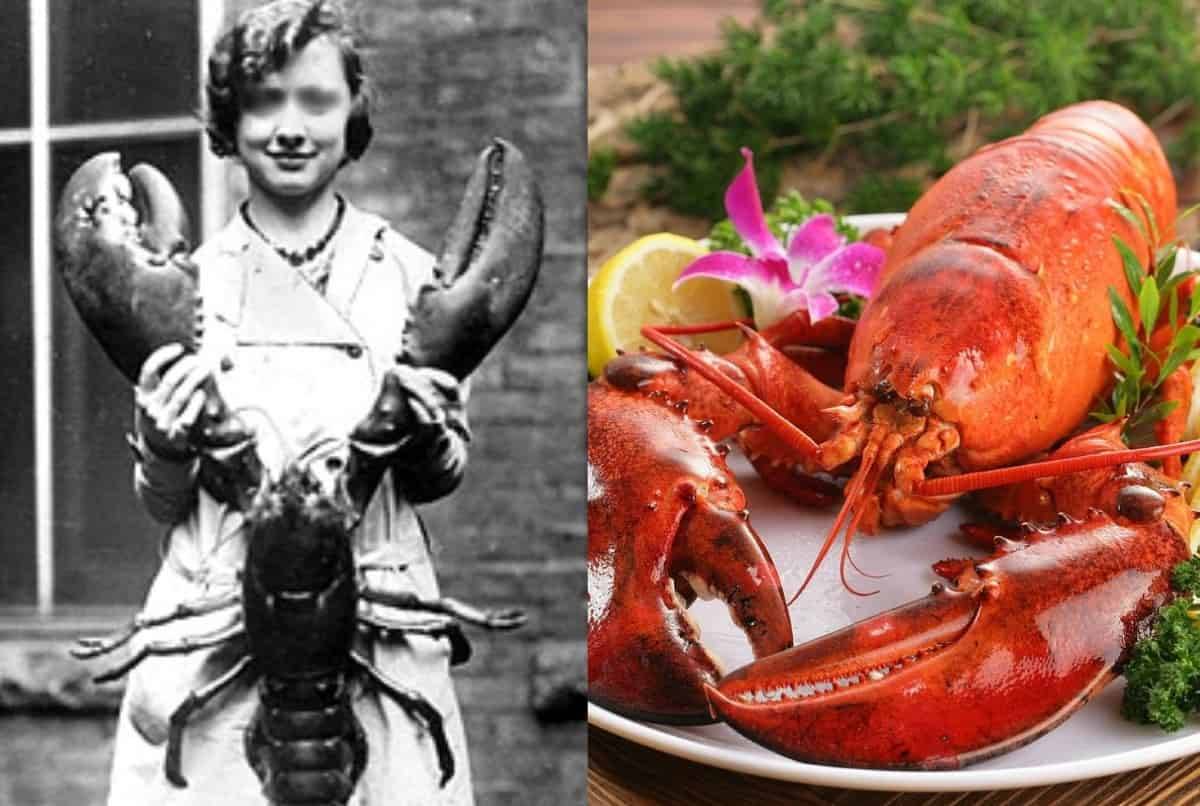
Much like a priceless gemstone long concealed within unvetted subterranean terrain, the lobster has executed a spectacular evolutionary journey to claim its rightful rank within the universe of haute cuisine—an elevated domain where opulence is defined not merely by raw materials, but by the intellectual stature of the dining experience.
A Humble Dawn on the Horizon of High Culture
Many contemporary connoisseurs would find it profoundly astonishing that along the rugged coastlines of New England—particularly within regions now globally renowned for this specific crustacean—this marine entity was historically treated as mere fodder for livestock, indentured servants, and prison inmates.
Throughout the 17th to the early 19th centuries, Atlantic beaches post-severe storms were routinely blanketed by massive waves of stranded lobsters. Given this absolute abundance and a market valuation effectively touching zero, societal consensus classified the creature as nothing more than the garbage of the ocean. Historical records indicate periods where institutional inmates and domestic servants staged active protests against being served lobster more than three times a week, declaring such a dietary imposition a direct violation of their human dignity.
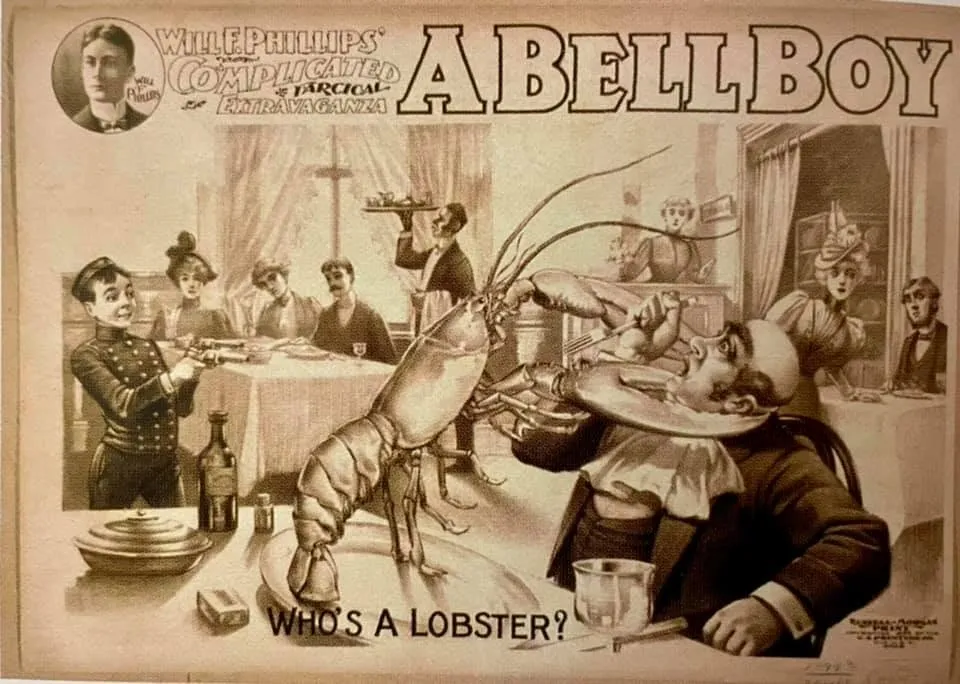
In early colonial legislative documents, elite family dynasties explicitly documented the consumption of lobster as a thuggish, tasteless act entirely devoid of refinement. To the high society of that epoch, premium dining demanded wild inland game or rare, imported European seafood, rather than a “grotesque” armored creature scavenging along local shores.
The Calculated Shift of an Icon
The geopolitical and cultural coordinates altered dramatically during the late 19th century, catalyzed by the rapid expansion of the continental railway system and the sudden rise of structural domestic tourism. Railway barons realized they could strategically serve fresh lobster within their dining cars to instantly differentiate their luxury menus. The infrastructure allowed for the seamless, live transport of the crustacean from coastal waters directly into major metropolitan hubs like New York and Boston.
To urban passengers who had never encountered a live lobster in its natural habitat, the dish was masterfully framed as an exotic coastal delicacy—carrying the raw, untamed allure of the open ocean. From premium train stations to the flagship dining rooms of grand historic hotels, the lobster systematically transformed into the definitive “signature dish of the sophisticated metropolitan epicurean,” driving its market valuation upward step by step.
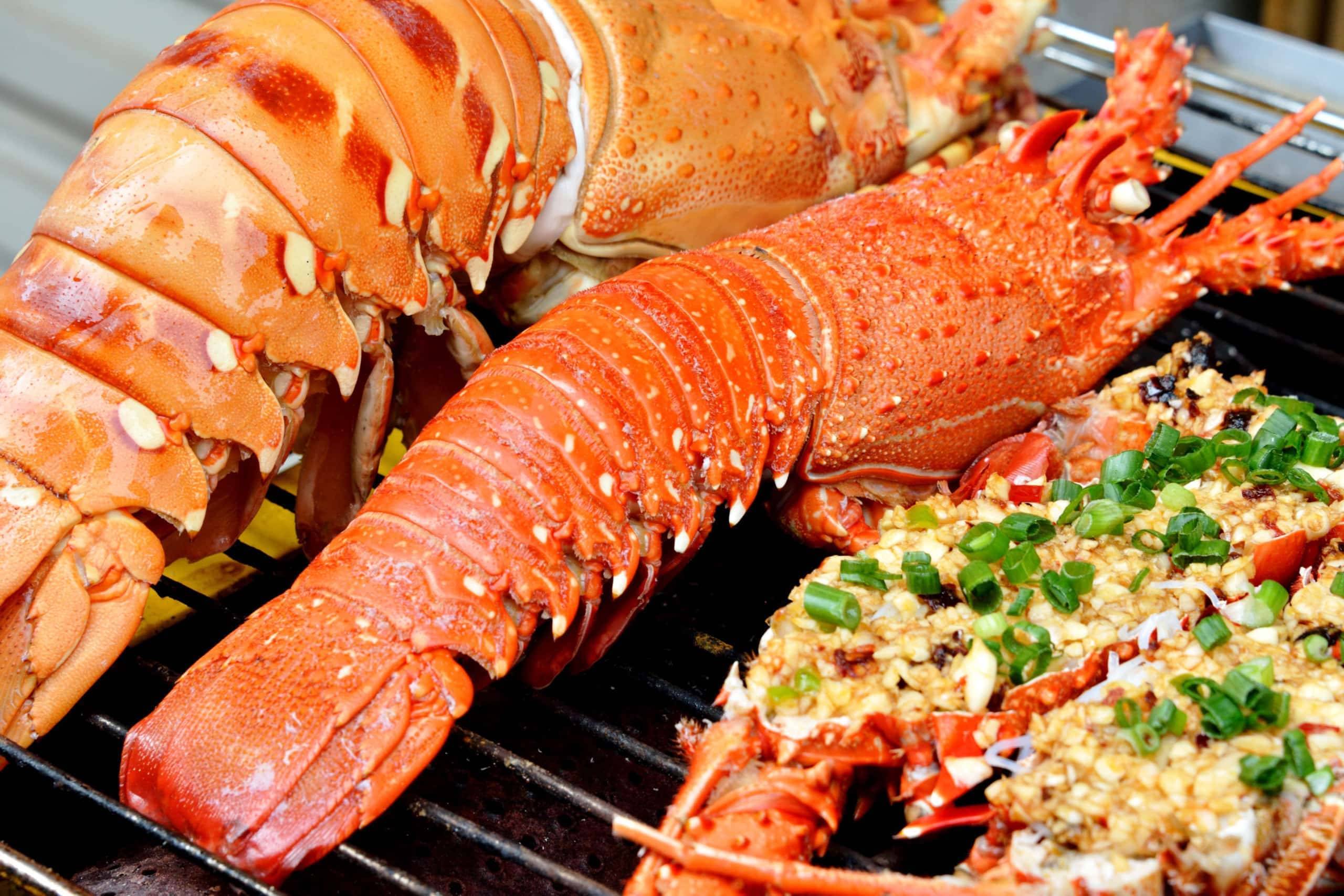
Concurrently, European culinary culture recognized the distinct, subtle structural potential of the ingredient. Early 20th-century French masters integrated lobster into the highest ranks of haute cuisine, utilizing it to engineer avant-garde artistic masterpieces. From that pivotal flashpoint, the lobster officially penetrated the gastronomic manifestos of the global elite, expanding its influence across every continent.
Scarcity Models and the Amplification of Value
In the contemporary era, the lobster is no longer a boundless commodity. Modern harvesters operate within highly calibrated seasonal windows, stringently adhering to strict conservation benchmarks and sustainable maritime laws. These mandates prohibit the collection of egg-bearing females or specimens that fail to meet strict dimensional standards, ensuring the permanent preservation of marine ecosystems and long-term supply stability.
This systemic scarcity, combined with the immense overheads of live cryogenic transit and complex logistics, has firmly anchored the lobster at an ultra-premium price point. Large-scale deep-sea specimens routinely command commanding figures on international auction blocks, while rare color mutations—such as the elusive blue lobster—reach valuations that rival precious minerals.
A Sovereign Manifesto of Living Well
Today, the lobster has completely evolved past its identity as a kitchen ingredient; it stands as a commanding lifestyle manifesto. Much like how high society selects rare vintages of champagne to orchestrate an elite evening gala, or how a gentleman fastens a heritage Swiss timepiece as an indelible personal signature, choosing to savor lobster is a refined art—an exercise in experiencing the world through its most opulent lens.
Within multi-starred Michelin establishments, the lobster consistently commands the center of gravity—spanning from France’s legendary Lobster Thermidor formulations to the immaculate minimalism of Cantonese steam preparations, or raw live sashimi presentations executed tableside within elite Japanese sanctuaries.
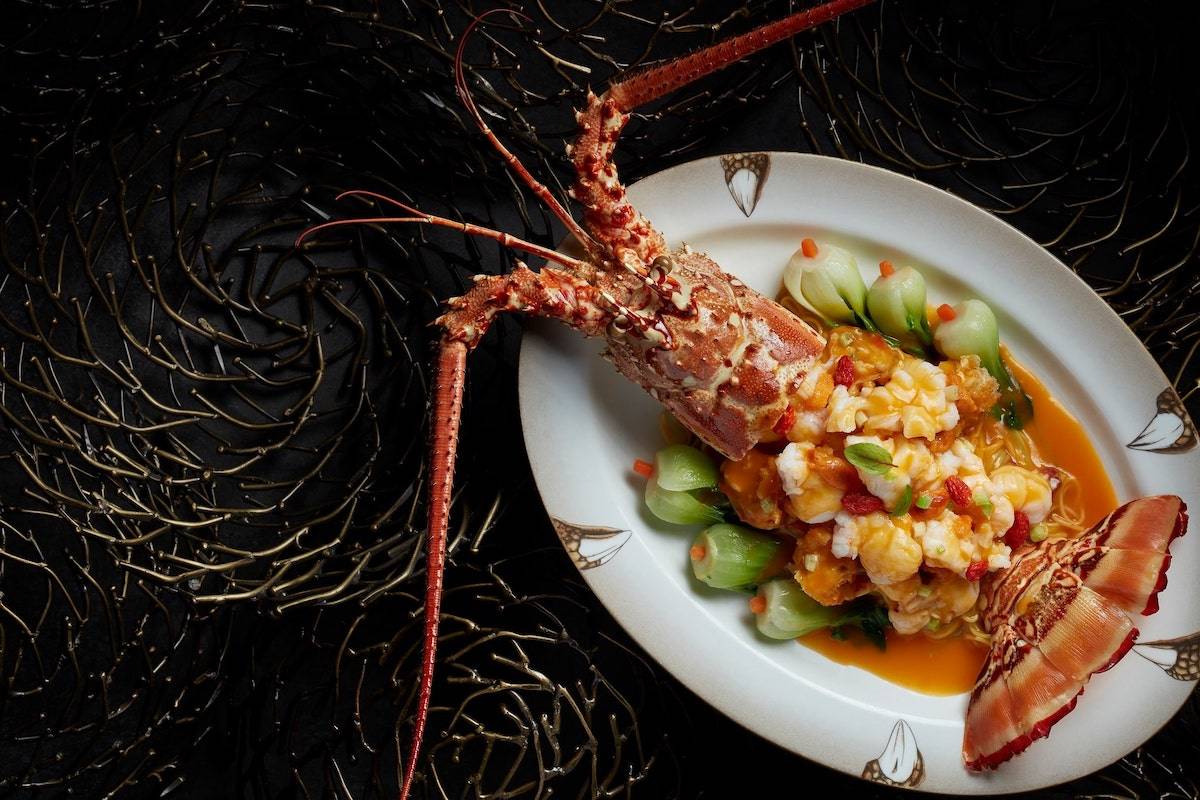
Across every iteration, the technical cooking execution, the raw chemical freshness, the architectural plating, and even the specialized silver implements deployed are meticulously curated down to the millimeter. This ensures that the patron does not merely consume an exquisite, clean sweetness, but actively navigates a high-society aesthetic journey. The lobster—once an unpolished diamond hidden in plain sight—has successfully reclaimed its crown at the summit of gastronomy.
Intellectual Convergence: The Anatomy of Value
The historical trajectory of the lobster offers a vivid testament to the metaphysics of authentic value: proving that within a volatile world, pure excellence will always be recognized, decoded, and exalted across time. Much like a rough diamond, forged across geological epochs deep within the earth’s mantle, it only reveals its breathtaking fire when subjected to the masterful cutting of a true artisan. The lobster followed an identical, disciplined path to claim the apex of the experiential economy.
At Louis Phan and Phan Gia Jewelry, we recognize that behind every immortal icon—whether an epicurean masterpiece or a high-jewelry treasure—lies a distinct narrative of maturation, the radical re-engineering of value, and the absolute zenith of aesthetics. Fine jewelry, in our philosophy, is never a passive accessory; it is the physical embodiment of character, independent fortitude, and timeless aesthetic intellect.
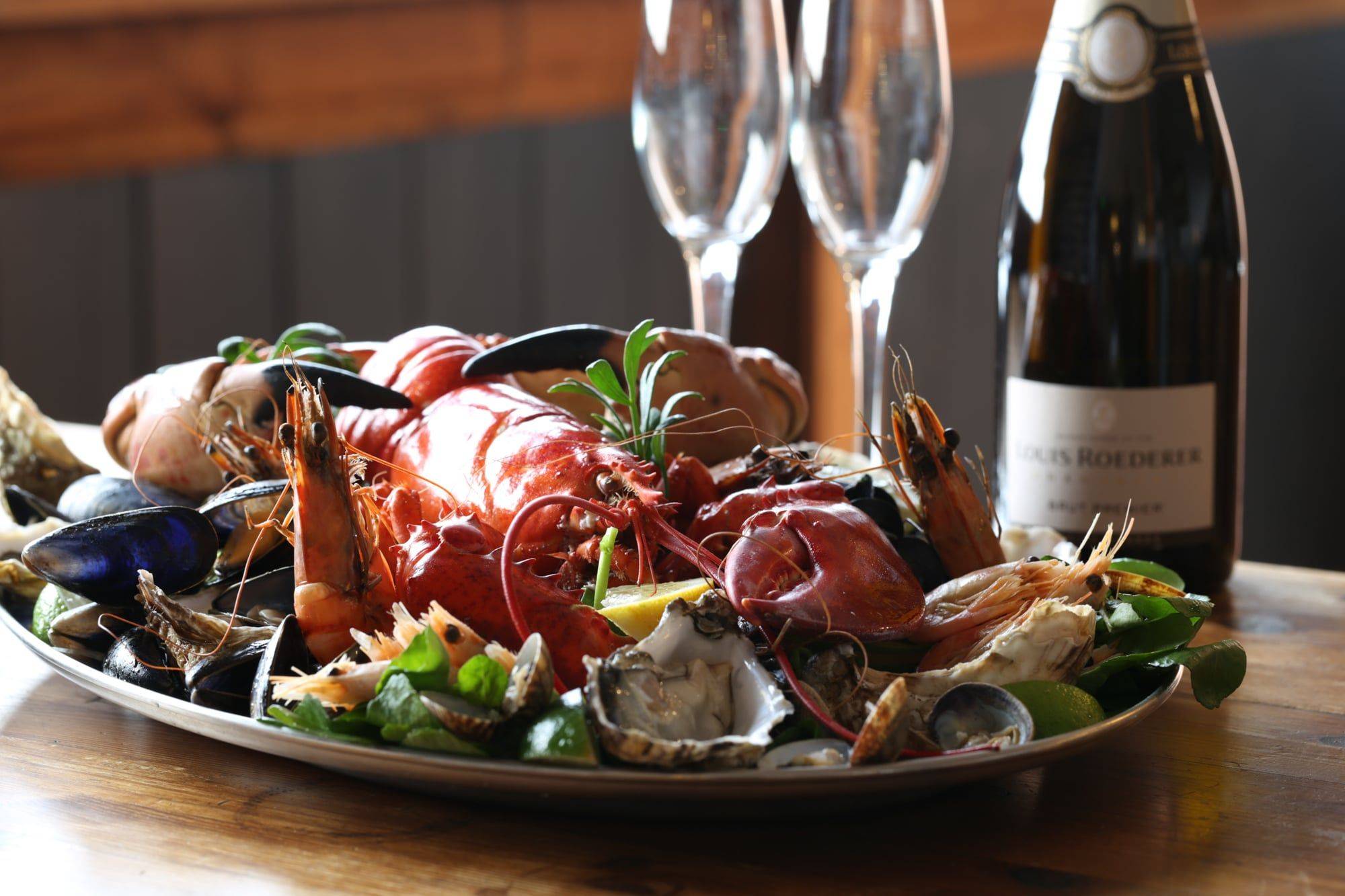
Consequently, choosing to clasp a masterfully set, gemstone-encrusted necklace, or raising a crystal flute alongside a prime Atlantic lobster, represents far more than an overt display of affluence. It is the deliberate manifesto of an individual who completely comprehends the profound meaning concealed within ultimate sophistication.
When Flavor Morphs Into a Personal Monogram
The lobster—with its epic journey from a marginal coastal commodity to the sovereign symbol of the global ruling class—serves as the flawless emblem of how modern high society reveres authentic value and unblemished, raw beauty, distilled through time and filtered through deep experience.
For the art of elite living, at its core, is the intellectual capacity to discern and select only the absolute best for oneself—from the culinary creations you consume to the permanent lifestyle choices you maintain.
Louis Phan & Phan Gia Jewelry