In the rarefied universe of haute couture and artisanal luxury, a logo is never a mere corporate identifier. It functions as a powerful manifesto of heritage, peerless craftsmanship, long-term sustainability, and the unique identity of a maison. Meticulously sculpted like a masterfully tailored silhouette or an exceptionally rare gemstone, these iconic monograms carry profound historical depth, cultural narratives, and the architectural design philosophies of fashion’s greatest empires.
Step across the threshold to discover the evocative, inspiring chronicles hidden behind eight iconic symbols of the world’s premier luxury houses.
1. Louis Vuitton: A Heritage Birthed from the Art of Travel
Founded in Paris in 1854, Louis Vuitton launched its epochal journey rooted in a raw passion for global exploration and the creation of immaculate trunk configurations. The legendary interlocking “LV” monogram, envisioned and registered by the founder’s son, Georges Vuitton, in 1896, was engineered not only as an unyielding stamp of absolute quality but as a strategic defense mechanism against the widespread counterfeiting operations of that era.
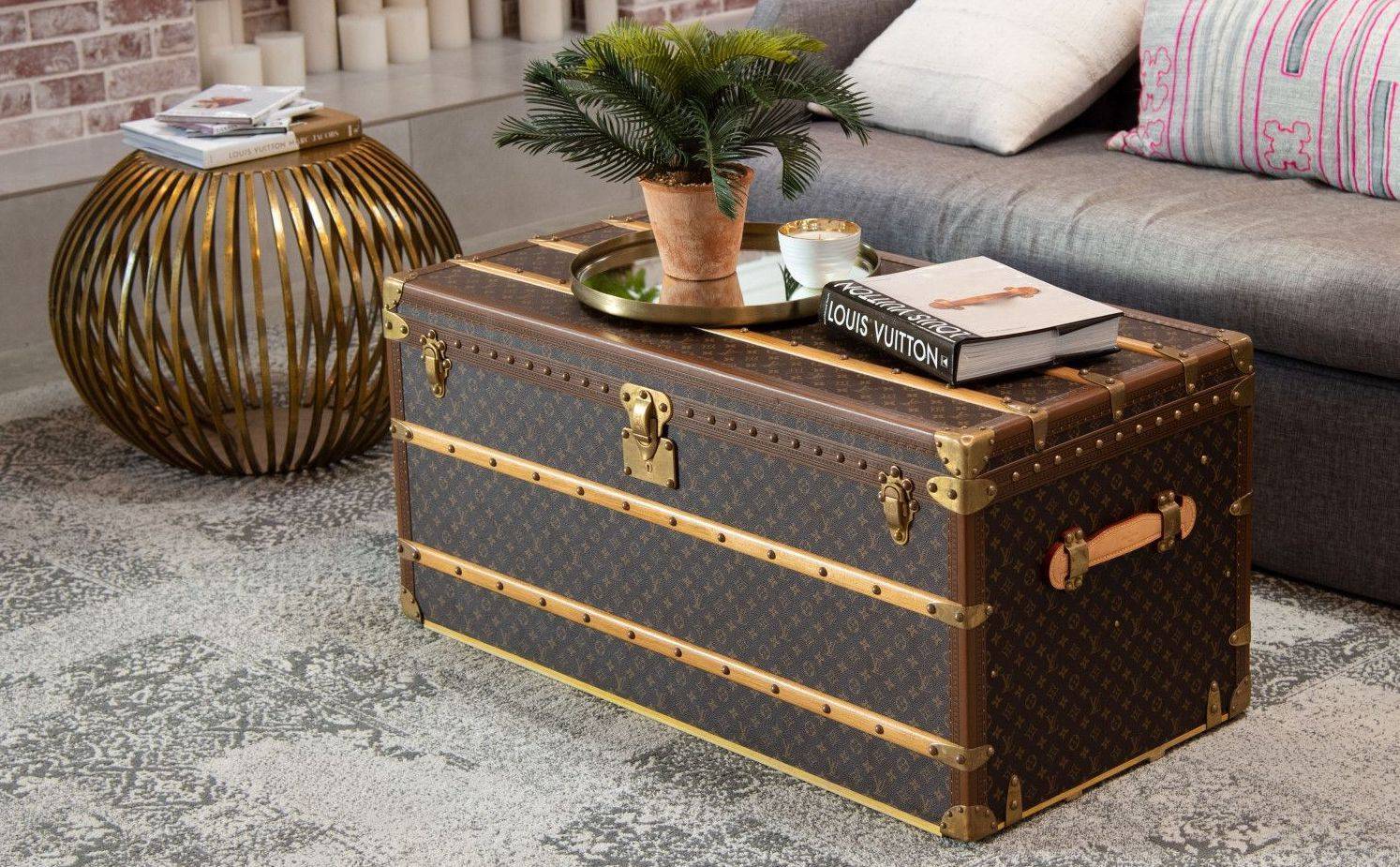
The geometric alignment of the characters drew inspiration from traditional Japanese aesthetics that captivated the Parisian elite during the late 19th century. Simultaneously, it crystallized the continuous, intergenerational bond of a family dynasty dedicated to absolute structural perfection. Over the passing centuries, the “LV” monogram has transformed into a timeless icon, standing as the universal synonym for permanent opulence and unyielding travel luxury.
2. Chanel: Mademoiselle Coco and the Symmetrical Icon of Empowerment
The interlocking double “C” of Chanel delivers a visual rhythm that is simultaneously hyper-elegant and aggressively bold—perfectly capturing the spirit of Mademoiselle Coco herself. Formulated in 1925, this pristine monogram represents the initials of the visionary founder, Gabrielle “Coco” Chanel, executed with absolute mathematical symmetry to reflect her philosophy of liberated yet perfectly balanced living.
Historical chronicles suggest that Coco extracted the visual blueprint from the geometric stained-glass windows of the Aubazine Abbey—the solemn orphanage where she spent her formative youth. Others attribute the aesthetic to the royal heraldry of the Château de Crémat in Nice, an elite estate she frequented during the apex of the Art Deco movement. The black color profile remains an intensely personal signature of Chanel, serving as an absolute declaration of stark authority and timeless refinement.
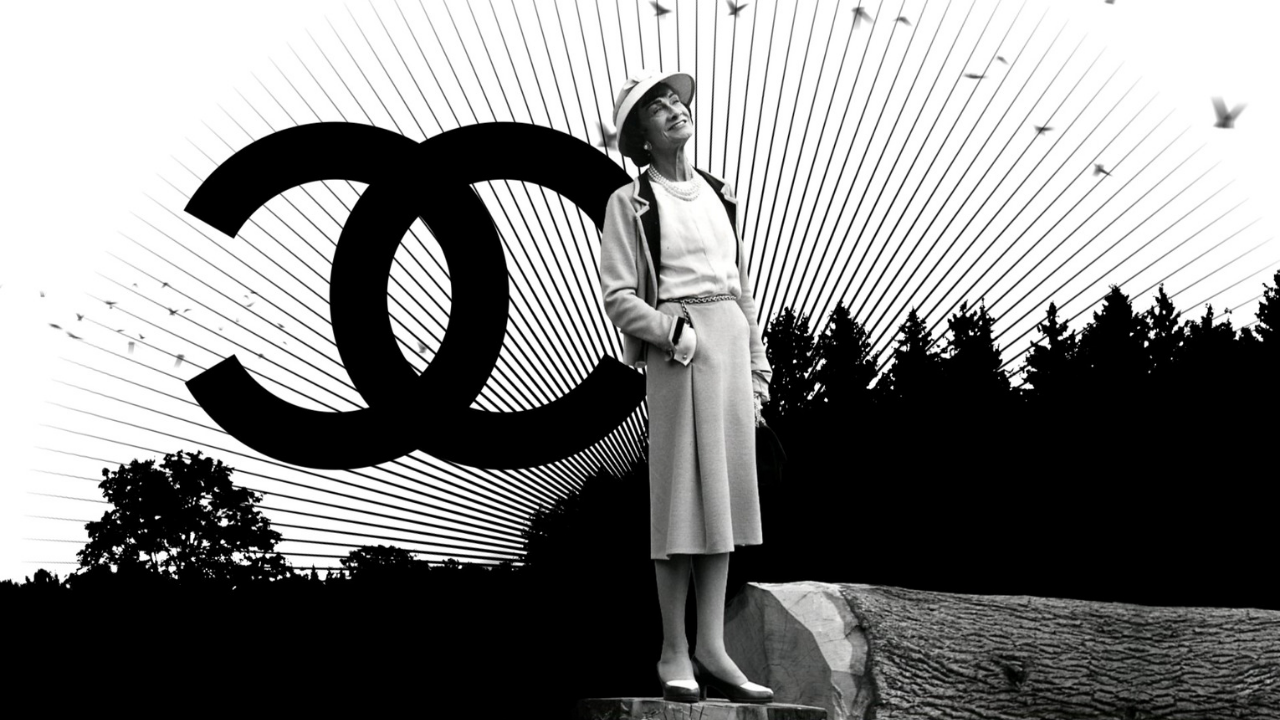
As an unyielding monument to minimalism, the Chanel monogram beautifully articulates the “less is more” doctrine that Coco permanently bequeathed to high society.
3. Gucci: The Interlocking G and the Intersection of Legacy and Modernity
The mirroring double “G” monogram of Gucci, representing the immortal name of its founder, Guccio Gucci, has stood as an immovable signifier of high-fashion authority since its introduction in 1933. Engineered by Guccio’s son, Aldo Gucci, this emblem marked a calculated shift designed to anchor the house during its phase of rapid global expansion.
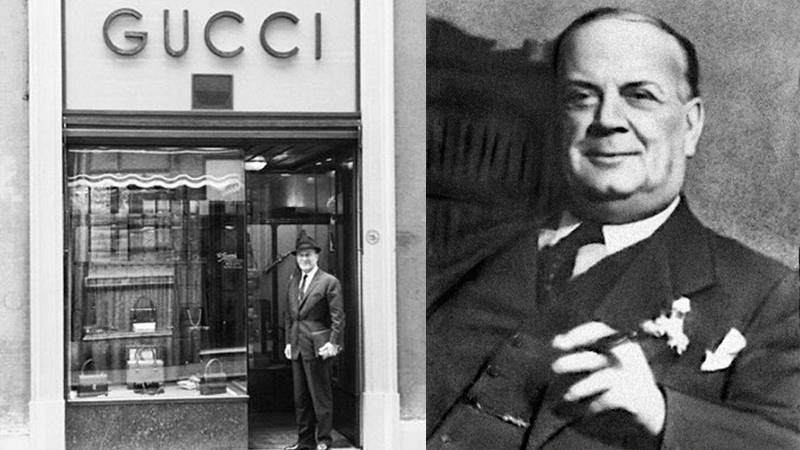
Originally specializing in elite equestrian travel accoutrements and artisanal leather goods, the house systematically scaled its architecture into fine apparel, footwear, and high jewelry, captivating the absolute preference of the international ruling class. The harmonious blend of classical geometry with contemporary edge allows the Gucci monogram to adapt fluidly across decades of stylistic revolutions while preserving its core identity: seductive, opulent, and boldly expressive.
4. Hermès: The Aristocratic Duc Carriage and the Code of Quiet Luxury
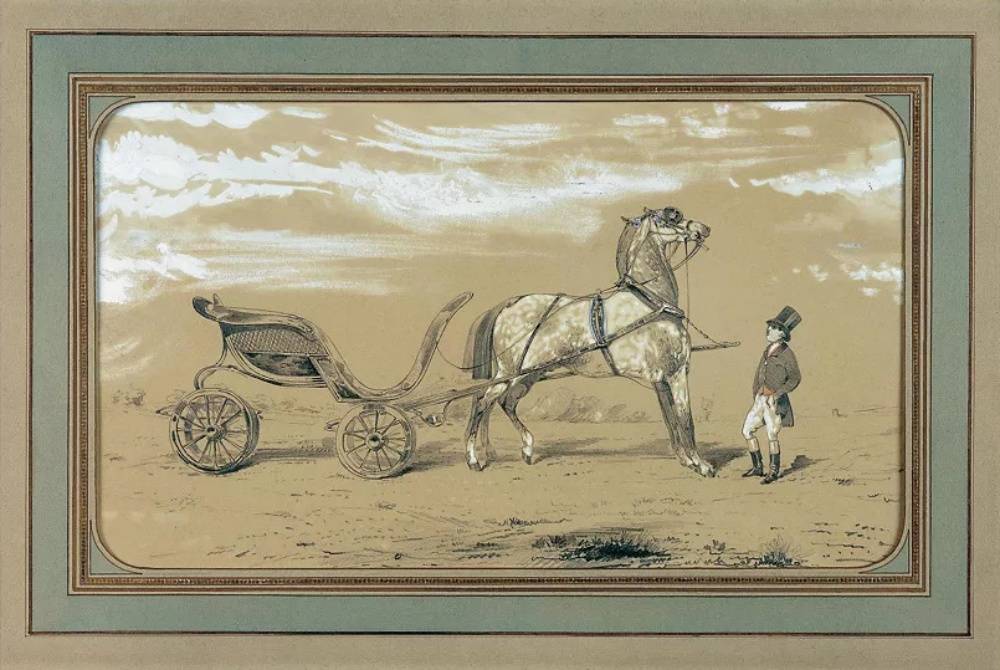
Perhaps no emblem completely captures the poetic, understated elegance of traditional luxury quite like the immaculate drawing of a horse-drawn Duc carriage and groom positioned beneath the stark typography of “Hermès Paris.”
Introduced to the public in 1950—and inspired by the delicate sketch “Le Duc Attelé, Groom à l’Attente” by celebrated painter Alfred de Dreux—this emblem honors the house’s original 1837 inception as an elite master harness and saddle manufacture for the global aristocracy. It beautifully mirrors their permanent operational philosophy: to exclusively engineer functional masterpieces driven by real demand, completely refusing to chase volatile market trends.
“Our main strength is the love of craftsmanship. We see ourselves as creative artisans, dedicated to preserving heritage forever.” — Axel Dumas, Hermès CEO
The regal carriage and distinguished groom serve as a continuous reminder of origin, sending a definitive message to modern high society: true power is anchored in preserving ancestral techniques while executing flawless quality for the horizons of tomorrow.
5. Cartier: Art Deco Geometry in the Calligraphy of Kings
Reverently titled “The Jeweler of Kings, and the King of Jewelers,” Cartier has permanently commanded the absolute trust of global royal lineages and the ultra-high-net-worth elite since 1847. The house’s visual signature represents a flawless convergence of its iconic, regal red hue and fluid lines heavily informed by early 20th-century Art Deco aesthetics.
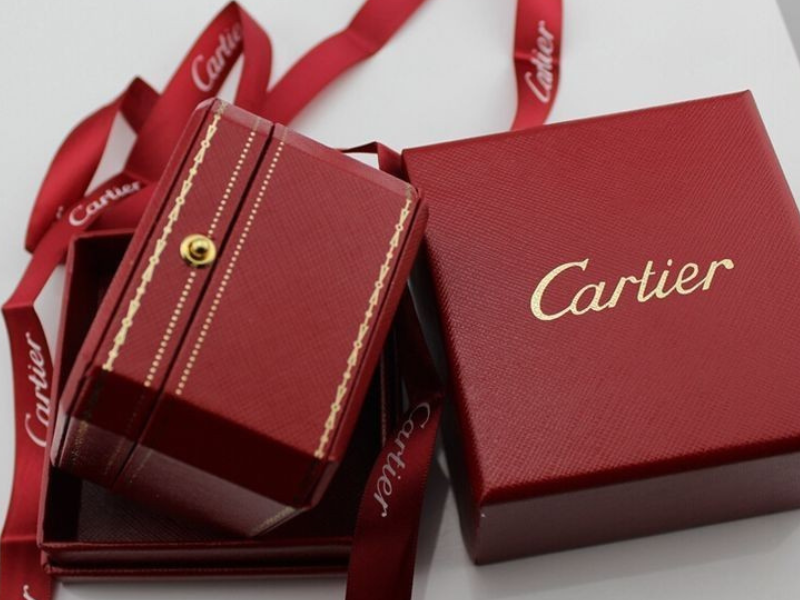
The stylized, handwritten script of the logo represents the absolute peak of classic French calligraphy, projecting the romantic, majestic soul of Paris. This signature requires zero additional ornamentation or commercial symbols; the organic, sovereign movement of the script itself confidently asserts its elite position. Birthed as an intergenerational family enterprise, Cartier expanded its global reach through the calculated brilliance of Alfred’s three sons—Louis, Pierre, and Jacques—permanently anchoring the maison at the absolute summit of high-jewelry mastery.
6. Yves Saint Laurent: The Avant-Garde Architecture of French Modernism
The legendary YSL monogram—where the three letters “Y”, “S”, and “L” intertwine with gravity-defying precision—stands as an immortal masterpiece delivered in 1961 by the iconic graphic artist Cassandre, immediately following the foundation of the house by Yves Saint Laurent and Pierre Bergé.
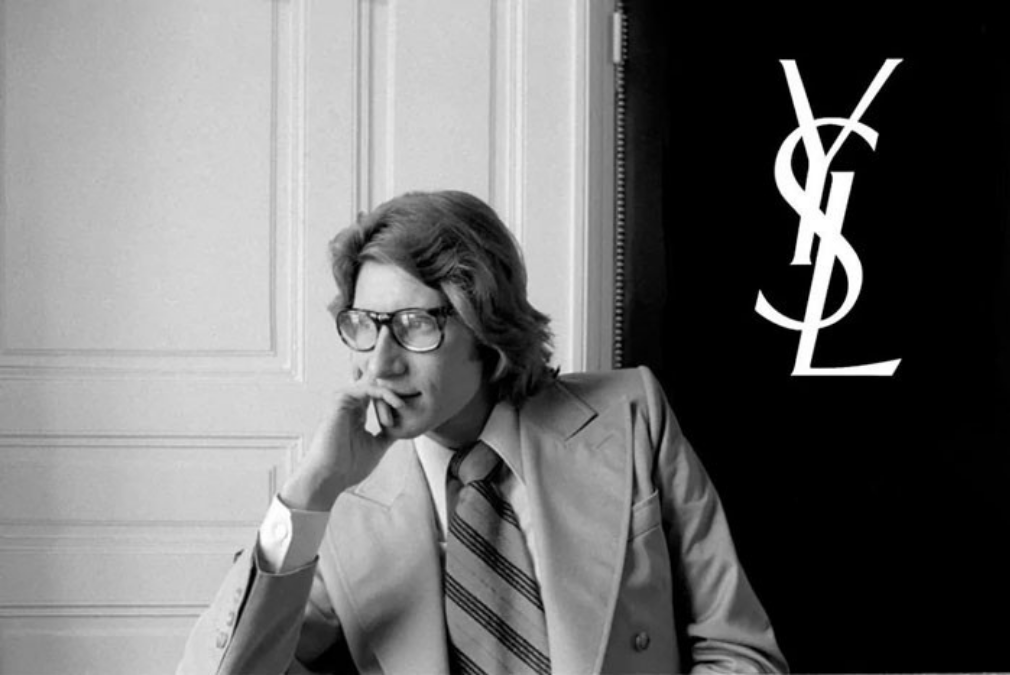
This symbol represents absolute structural audacity: completely shattering the rigid, monolithic design parameters of its era to proclaim a revolutionary visual dialect for haute couture. The fluid intersection of the three characters mirrors the independent, rebellious spirit of the master designer, synthesizing sacred tradition with vanguard innovation. Today, the house remains a towering empire of high fashion, engaging in direct conceptual competition with the world’s most historic luxury houses.
7. Dior: The Stark Typographic Signature of a Fashion Dynasty
The modern “DIOR” logotype may present itself with absolute structural simplicity, yet it seals the authority of a colossal fashion kingdom. Executed in a clean, sophisticated serif font, the brand name stands as an unyielding declaration of high-fashion sovereignty.
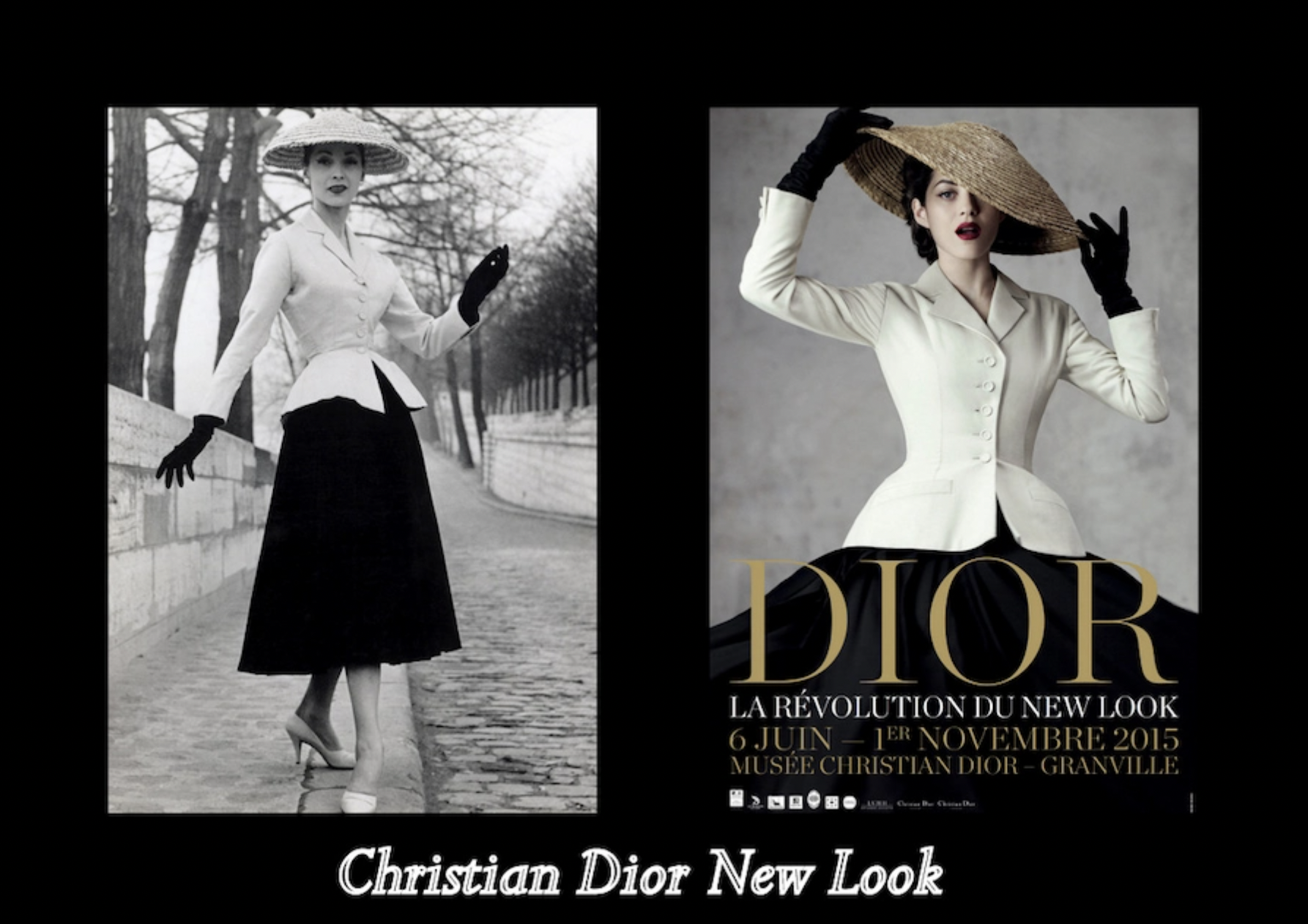
Across more than seven decades of evolution, every artifact bearing this signature operates as an authentic piece of art. From heritage fragrances and high-end cosmetics to the most delicate lifestyle accessories, Dior masterfully executes its historical directive: to elevate the physical form and cultivate the internal pride of its patrons. Whether presented as the full historic “Christian Dior” or the condensed modern monogram, the logotype retains the immaculate elegance of the classic 1947 New Look silhouette that permanently re-engineered the global definition of femininity.
8. Prada: Intellectual Subversion and the Sovereign Triangle
Birthed in Milan in 1913, Prada systematically dismantled the conventional boundaries of classical fashion to forge an entirely distinct, intellectual identity: cerebral, razor-sharp, and subtly provocative. The Prada signature, accompanied by its iconic inverted triangle monogram, demonstrates immense audacity in modern visual communication.
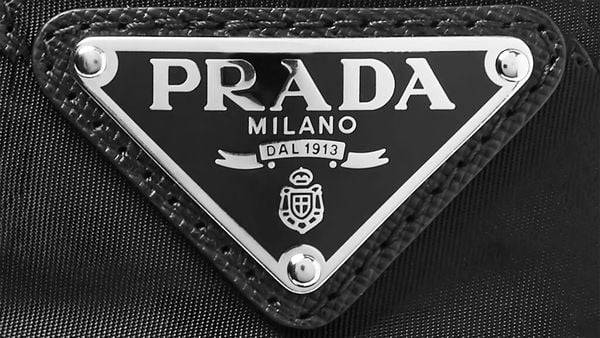
The triangle—a geometric form historically reserved for structural alerts or industrial markers—is re-engineered by Prada into a high-fashion dialect: minimalist in its outer form, yet remarkably dense in its underlying conceptual layers. This geometric shield represents the house’s ancestral heritage, linked intrinsically with avant-garde collections that consistently forecast future global movements while remaining anchored in absolute prestige.
In Conclusion: The Monogram as an Immortal Life Manifesto
These celebrated monograms represent far more than surface visual optics or commercial brand recognition. What renders them completely extraordinary is their unyielding capacity for elite storytelling—narrating multi-generational dreams, endless creative pilgrimages, and an absolute obsession to touch pristine perfection.
Under the brilliant illumination of global flagship salons, or resting within the velvet contours of an heirloom chest, these symbols whisper a continuous dialogue bridging the ancient past and the futuristic present. For the true connoisseur recognizes that acquiring an ultra-luxury asset is never a transaction for raw material components; it is the strategic inheritance of an immortal legend.
At Louis Phan and Phan Gia Jewelry, we operate on this identical, unyielding philosophy. We recognize that a masterfully executed aesthetic signature—positioned elegantly upon a custom vault box or carved into the metal of a bespoke high-jewelry treasure—possesses the unique power to awaken an entire universe of culture, intellect, and sovereign lifestyle. Invest heavily in permanent legacy, for true luxury—much like a D-flawless diamond—is built to outlive time itself.
Louis Phan & Phan Gia Jewelry