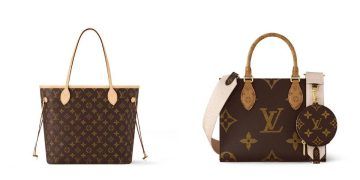
Luxury is a multidimensional architecture that rises completely above physical or monetary metrics. In a contemporary global ecosystem where individual connoisseurs continuously hunt for a singular monogram, a premium asset ceases to operate as a mere high-value commodity. It crystallizes into an active life manifesto—the silent, unyielding dialect of elite status, distinct identity, and an uncompromising desire to touch absolute visual perfection.
What internal mechanics drive a human being to deploy thousands, or even hundreds of thousands of dollars, to secure a hand-assembled mechanical caliber, a D-flawless brilliant-cut diamond, or a highly elusive platinum signet ring? The behavioral science supporting these opulent allocations uncovers a deep, highly complex, yet intensely humane narrative.
1. Beyond the Material Facade: An Emblem of Personal Triumph
For the global elite—visionaries who have secured monumental landmarks across their corporate trajectories and personal lives—consumption behavior has never been defined by a passive urge to merely “possess.” Each intricately executed necklace or hand-sculpted ruby solitaire functions as a silent whisper chronicling their ascension, a monument to their relentless drive to manifest the absolute best version of themselves.
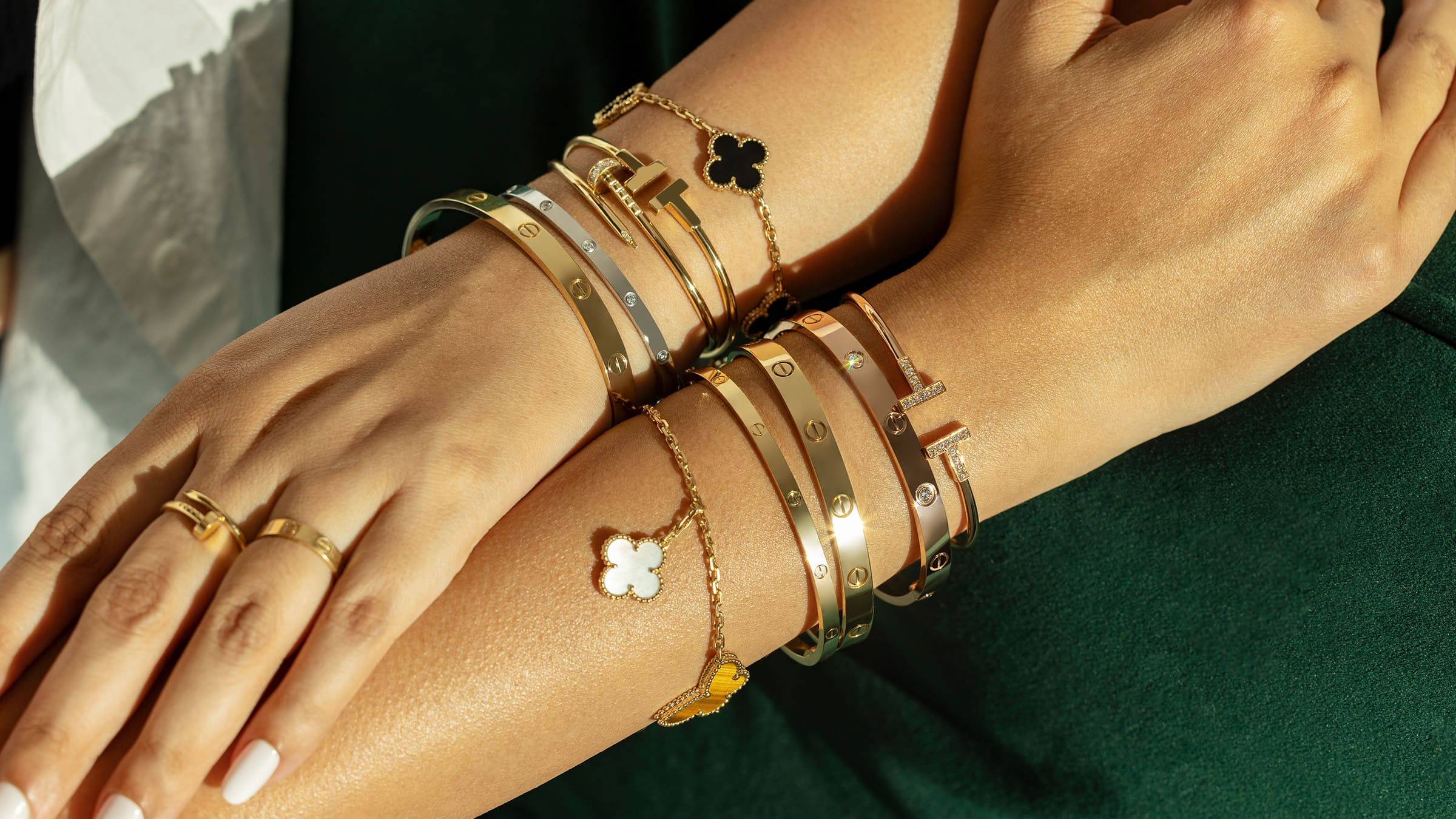
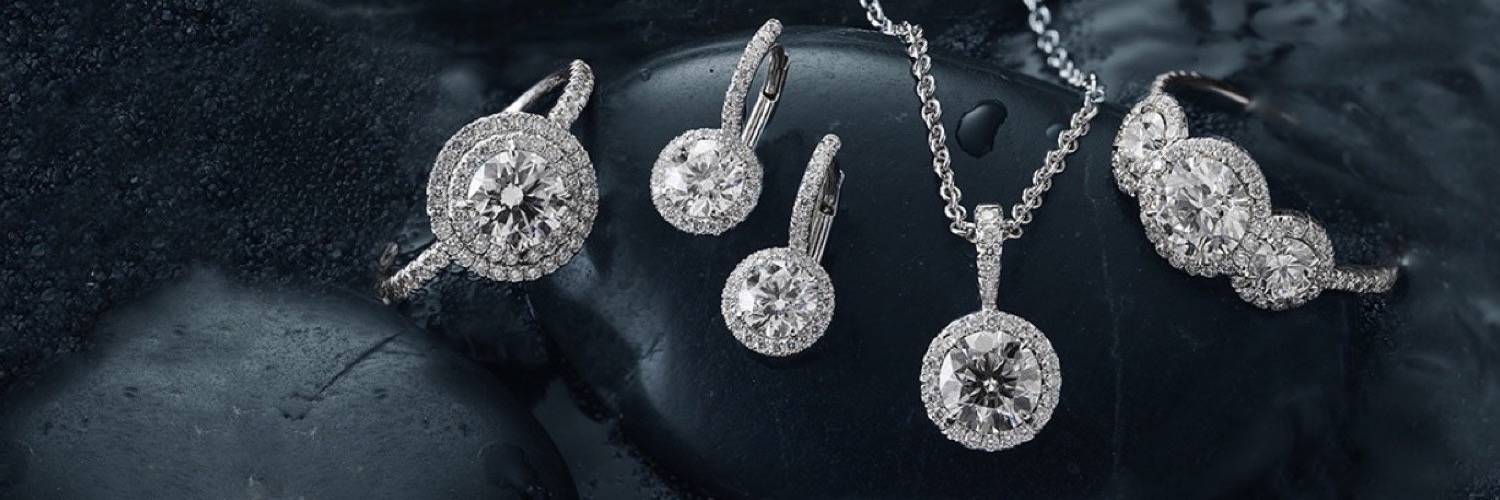
Premium creations, such as the haute-jewelry suites engineered by Louis Phan and Phan Gia Jewelry, are far more than superficial accessories; they operate as a physical extension of the custodian’s internal fortitude. To this demographic, fine jewelry is not worn simply to decorate the skin; it is deployed to author an independent chronicle of success, masterfully inlaid with natural diamonds and white gold. Furthermore, the extreme scarcity and limited output of each design matrix significantly amplify the storytelling equity of the asset.
Bespoke high-jewelry configurations function as an active extension of personal fortitude.
2. Conspicuous Consumption and the Mechanics of Social Alignment
According to the foundational theory of Conspicuous Consumption established by eminent sociologists, the acquisition of ultra-luxury assets serves as a primary vehicle through which the upper echelon articulates social rank and structural influence. In a professional theater where societal signals are cryptically encoded, an immaculate diamond-encrusted platinum ring transmits significantly more high-level data than a conventional handshake.
Securing high-tier assets, particularly from premier, self-possessed houses, operates as a sophisticated instrument for personal brand curation. It builds a visual identity that flawlessly projects an advanced intellect in lifestyle choices, while validating the custodian’s hyper-vigilant, uncompromising standards regarding the fine art of living.
3. The Psychology of Retrospective Compensation: “I Have Earned This Horizon”
Following epochs of relentless professional focus and unyielding self-regulation, the moment of self-reward via a high-value asset transcends simple indulgence. It functions as a profound validation of one’s sacrifice, grit, and structural discipline. This exact psychological alignment explains why a limited-edition Swiss horological marvel or a custom-commissioned diamond collar carries deep spiritual weight: every physical interaction with the asset reinforces a private reminder of the barriers crossed.
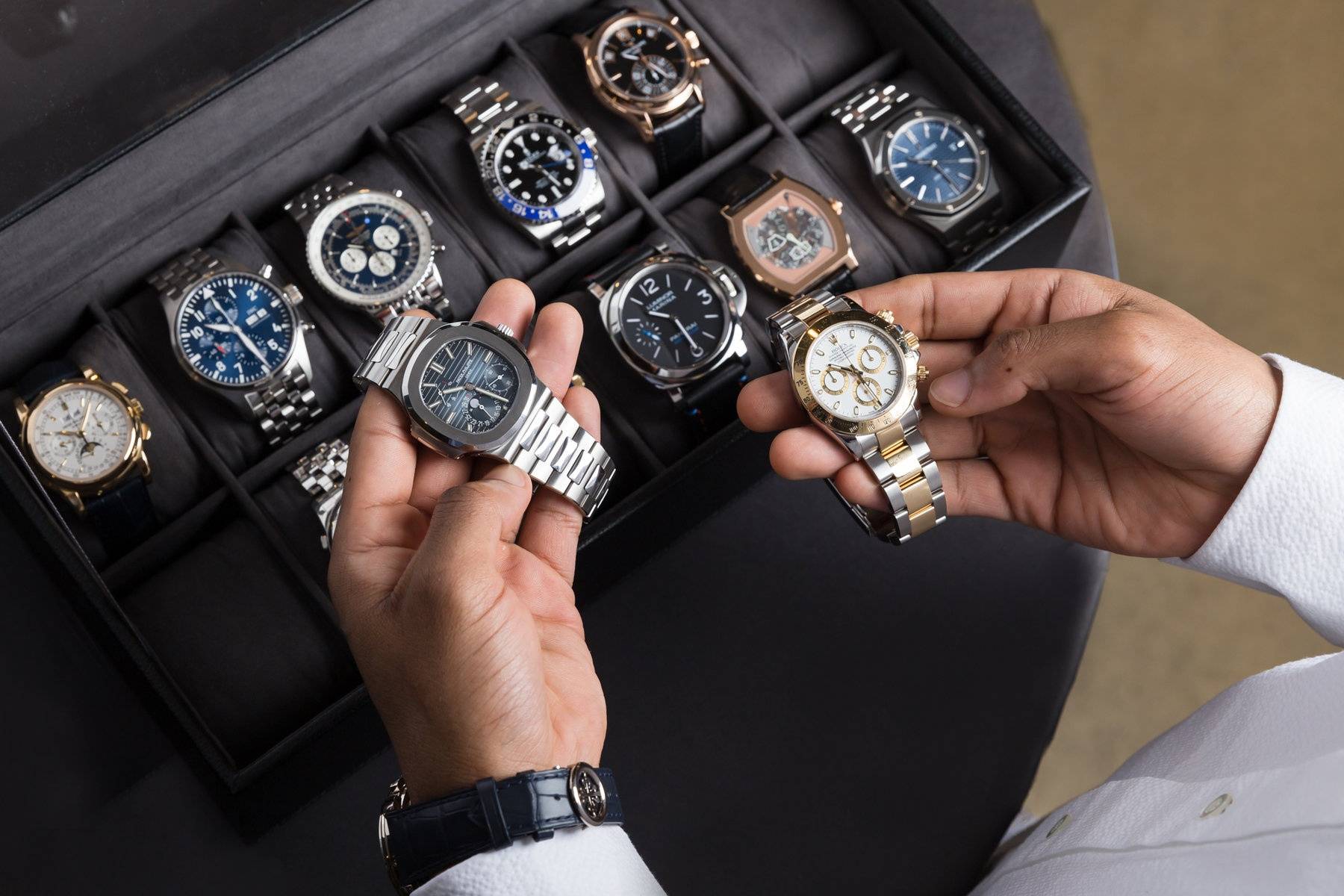
This behavior is entirely removed from superficial vanity; it stems from a deep, clear awareness of intrinsic individual worth. Patrons who pursue ultra-luxury never execute capital deployment based on volatile impulses. They strategically invest in assets that retain and compound value over time—both materially and symbolically—treating the acquisition as a fundamental component of self-reverence.
4. The Affective Frontier: Touching High Art to Awaken Raw Emotion
The legendary design icon Coco Chanel famously observed: “Luxury is not the opposite of poverty, but the opposite of vulgarity.” A truly successful luxury artifact must look beyond superficial optical victory; it must alter the psychological state of its custodian, making them feel entirely more whole, more present, and more alive.
A jewelry silhouette birthed by Louis Phan, for instance, is never merely an expensive object. It represents an intricate blueprint of beauty engineered through ancestral craftsmanship, elite aesthetics, and complete cosmic harmony with the patron. A masterfully executed treasure causes an internal emotional vibration—the exact flashpoint where luxury touches the most primal human instinct: the eternal craving for pure beauty.
5. Sovereign Guardianship and the Metaphysics of Heritage
High jewelry—particularly configurations brought to life through extreme scarcity, historical intent, and complex artisanal labor—ceases to operate as a transient possession. These pieces transform into sacred heritage assets, anchoring fragments of individual history within the macro-lineage of a family dynasty.
Discerning collectors systematically deploy capital into high-jewelry spaces treating it as a highly liquid, portable form of wealth preservation that simultaneously carries immense genetic currency. A bespoke diamond bridal creation or an exceptional emerald suite worn during a monumental corporate triumph retains the precise emotion, narrative, and soul of its owner, bridging memories across generations.
6. Spiritual Synchronization with Brand Philosophies
The contemporary elite do not buy a product; they align with the sovereign soul of the maison. They synchronize with the creative philosophy, the zero-compromise sourcing of materials, the unyielding spirit of craftsmanship, the absolute singularity of production, and the unvetted sincerity embedded within every microscopic detail.
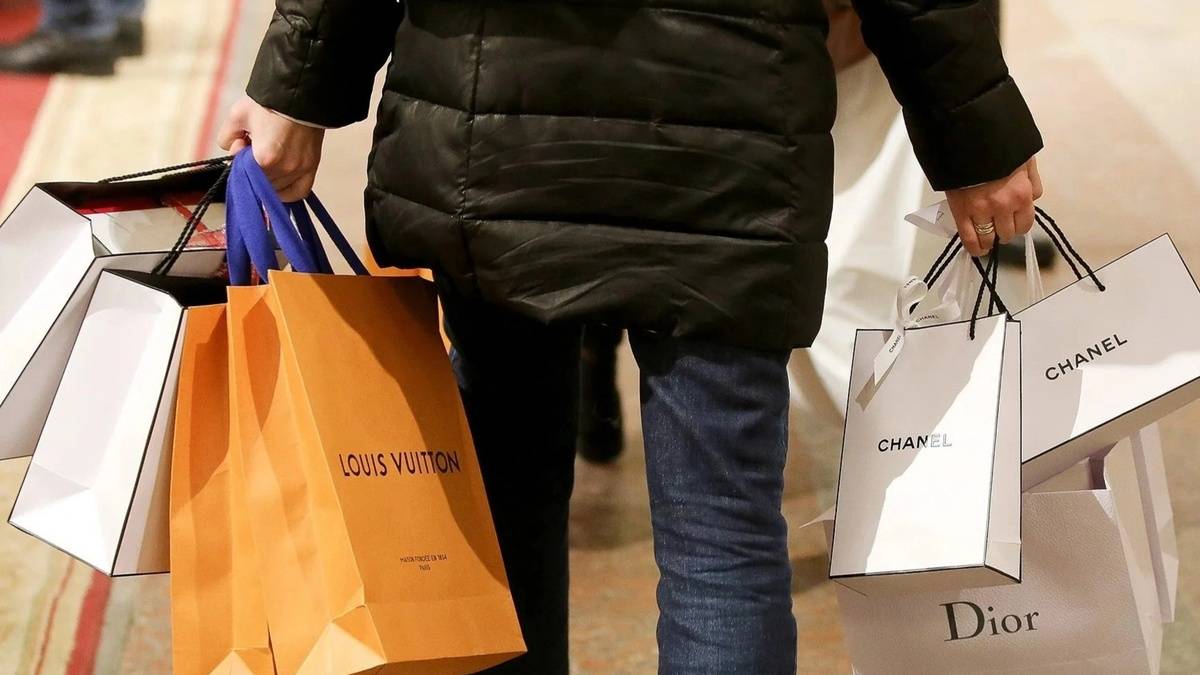
The brand name, in this elevated register, ceases to operate as a mere corporate commercial marker. It becomes an ideological construct—a secure ecosystem wherein the patron knows they are genuinely seen, profoundly decoded, and fiercely respected.
The True Definition of Opulence: Equity Over Price Index
In the modern epoch, as the consumption parameters of the ultra-high-net-worth demographic become increasingly intellectualized, the construct of “luxury” has completely divorced itself from reckless extravagance. It has emerged as the definitive expression of personal sovereignty, cultural density, and elevated emotion. Investing in an ultra-luxury asset is an active investment in the self—in everything one represents, honors, and vows to preserve.
An impeccably cut diamond solitaire does not merely radiate light from its own chemical facets; it is illuminated by the internal brilliance of its wearer—an individual who stands entirely secure in their identity, commands clarity regarding their worth, and consciously chooses a reality devoid of compromise.
Because for a select few, orchestrating a beautiful life is far more than a passing ideal—it is their absolute, unyielding choice.
Louis Phan & Phan Gia Jewelry