In a world governed by time and masterful craftsmanship, where the microscopic movement of a mechanical caliber can command the price of a luxury mega-yacht, an enduring question remains: “Why does a single timepiece command a price tag of tens of thousands, or even of millions of USD?”
The answer transcends mechanical complications, precious metals, or global scarcity. The timeless allure and astronomical valuation of these ultra-luxury timepieces stem largely from an aggressive, sophisticated, and artistic business strategy—a masterclass in positioning identical to how high-end jewelry houses like Louis Phan and Phan Gia Jewelry anchor themselves at the absolute apex of the pyramid of style and status.
The Timepiece: A Statement far Beyond Chronometry
At the pinnacle of luxury, a watch is never merely an instrument for telling time; it is the ultimate synthesis of traditional art, Swiss micro-engineering, and societal standing. For the maestros of haute horology, each timepiece is a personal manifesto—a silent yet roaring declaration of power worn upon the wrist.
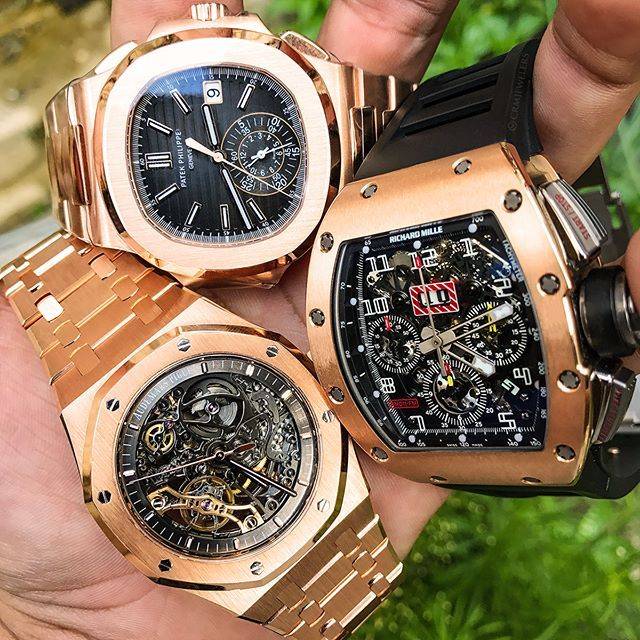
Icons like Patek Philippe, Audemars Piguet, and Richard Mille do not sell commodities; they retail heritage, philosophy, and intergenerational ambition. Consequently, a multi-million-dollar price tag no longer represents physical materials. It is a strategic investment in intangible equity: pride, legacy, and absolute self-actualization.
Artificial Scarcity: When Inaccessibility Becomes the Ultimate Privilege
The adage “money cannot buy everything” finds its truest expression in the ultra-luxury watch market. Mirroring how bespoke jewelry collections are strictly reserved for an inner circle of vetted clienteles, elite watchmakers have no desire to democratize their creations.
Restricting market supply is not a logistical hurdle—it is a calculated strategy. Sophisticated scarcity models are stringently applied, ensuring that supply forever trails demand at a precise threshold to maintain a permanent state of intense desirability.
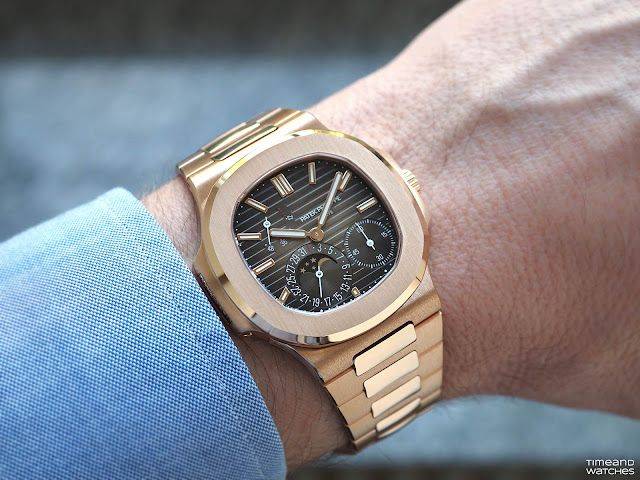
Take Patek Philippe, backed by its legendary ethos: “You never actually own a Patek Philippe. You merely look after it for the next generation.” The manufacture caps its annual production at approximately 60,000 timepieces, while global demand multiplies that figure exponentially. By doing so, every Patek owner does not just purchase a watch—they inherit a piece of history, permanently inducting themselves as “the chosen few.”
Richard Mille: The Avant-Garde Art of Price-Tag Storytelling
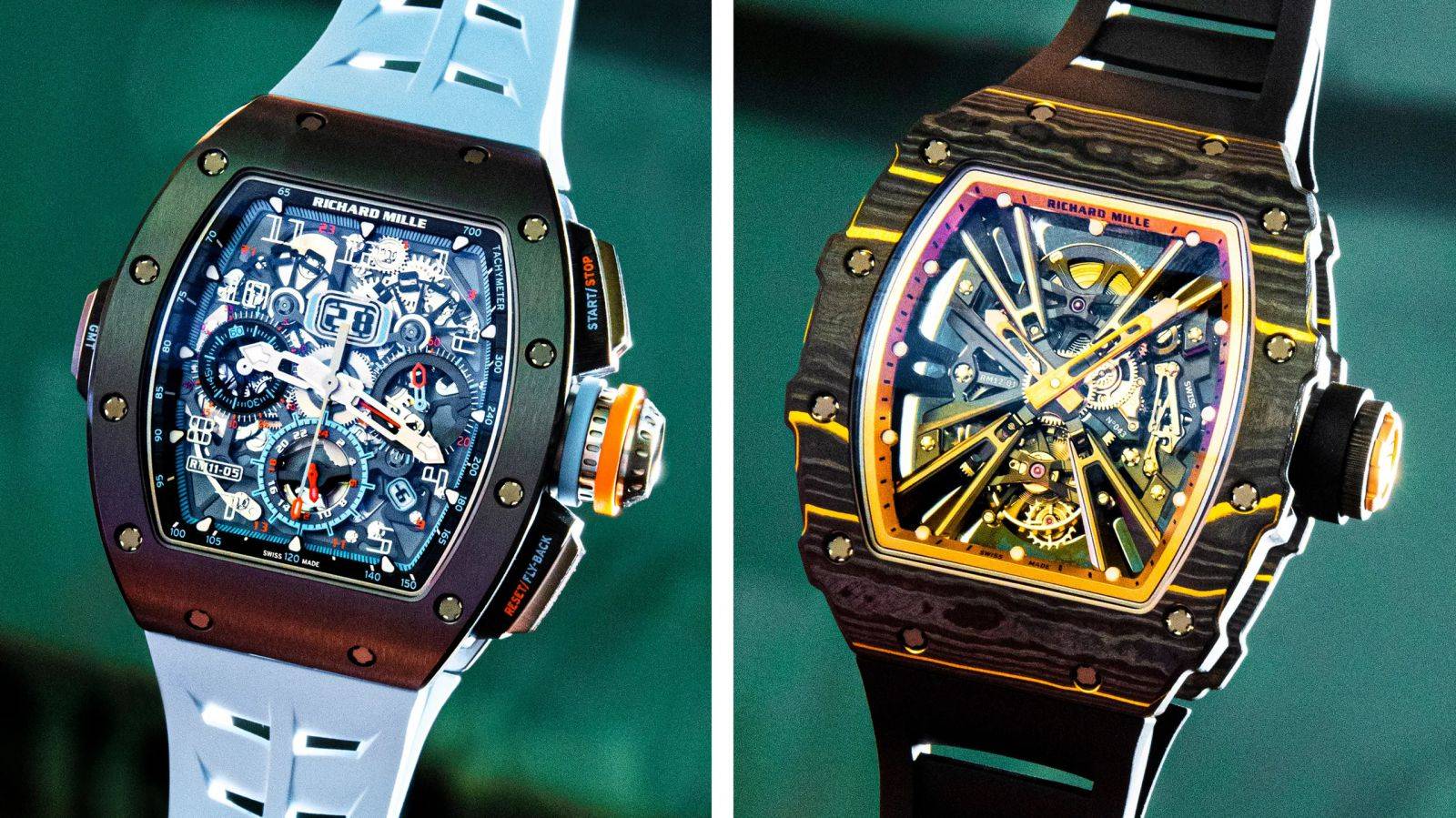
When analyzing audacity in brand architecture, Richard Mille stands as an exceptional anomaly. From its inception, the brand anchored its identity to high art, extreme speed, and ultimate power. Remarkably, their newly minted releases command market values that easily rival, or even eclipse, vintage timepieces that are decades old—a phenomenon nearly unheard of in mechanical watchmaking. What fuels this paradigm shift?
First, Richard Mille completely redefined the design language of high horology. The radical skeletonized aesthetics, the structural integration of grade 5 titanium and Carbon TPT, alongside gravity-defying tourbillon cages, collectively forge the anatomy of a timeless masterpiece.
Yet, the true genius lies in their audience selection. Richard Mille does not cater to the average millionaire. They collaborate with elite icons of human performance—such as tennis maestro Rafael Nadal, F1 prodigy Charles Leclerc, or golfing champion Bubba Watson—engineering bespoke calibers tailored to their exact physical limits. This absolute hyper-individualization births a sense of singularity that the ultra-wealthy crave: an unyielding piece of engineering that nobody else can convincingly wear.
Valuation: The Behavioral Science of Elite Distinction
Possessing a multi-million-dollar timepiece is far more than a display of raw financial liquidity; it is an validation of connoisseurship, refined taste, and elite curation.
This directly parallels the high-end jewelry sector. A natural diamond necklace is never valued simply as a beautiful object—it is the harmonious resonance of flawless gemstones, immaculate architectural proportions, artistic craftsmanship, and the prestigious pedigree of a house backed by generations of history.
When premier houses construct an aura of calculated exclusivity, they trigger a profound psychological phenomenon: the higher the price and the steeper the barrier to entry, the greater the sense of distinction and superiority it yields upon ownership. The global elite do not buy to consume; they acquire to match their stature.
The Secondary Market: The Ultimate Proving Ground of Value
An intriguing metric of a luxury brand’s resilience today is its performance on the secondary market. Highly coveted references like the Patek Philippe Nautilus or the Audemars Piguet Royal Oak routinely trade on the resell market at premiums ranging from 30% to over 200% above their original retail prices. This is a feat virtually unparalleled in any luxury sector outside of blue-chip fine art and heritage jewelry.
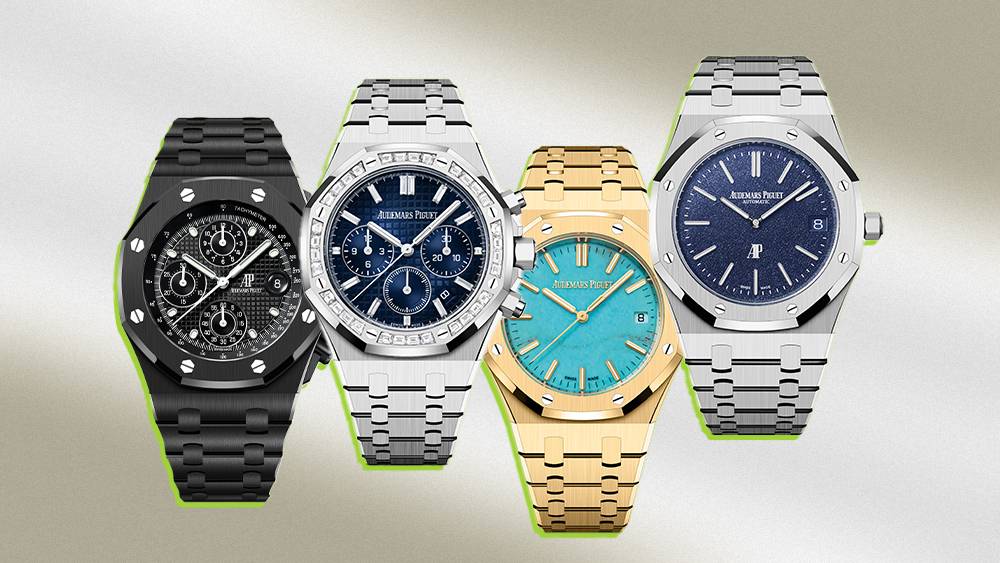
This trend does not merely validate the intrinsic worth of the product; it serves as a testament to the brand’s long-term strategy. To acquire a timepiece at retail is to receive a “privilege of selection.” Collectors are no longer merely purchasing to wear—they are investing, accumulating capital, and preparing a legacy.
Timepieces: A Transaction or a Generational Legacy?
Modern high-net-worth individuals are indifferent to mundane technical specifications like power reserves or water resistance depth. They seek a transcendental emotional experience—one wrapped in heritage, inspiration, and genetic lineage. A Patek Philippe or a Richard Mille passed from father to son does not depreciate with time. On the contrary, the passing years only amplify its luster, carrying within its gears stories that remain entirely priceless.
Much like a bespoke jewelry suite commissioned to immortalize a monumental milestone—be it a marriage, a corporate triumph, or a personal legacy—a masterpiece timepiece serves as the silent, unyielding witness to achievement and ambition.
For the Global Elite, Time Itself is the Ultimate Canvas
The universe of haute horology is a flawless intersection of aesthetics, micro-engineering, and social symbolism. To attain the status of the “ultimate object of desire,” a house must excel far beyond mechanical watchmaking—it must master the fine art of storytelling, evoke raw emotion, and guard its exclusivity fiercely.
As in the high-end jewelry industry, the asset that patrons truly take home at the end of a transaction is not a mere product—it is a fragment of their honor, their identity, and their legacy. And only those who truly comprehend the real value of time can fully appreciate the symphony beating within a hand-assembled mechanical movement.
Louis Phan